History of Khyber Pakhtunkhwa
Introduction
Khyber Pakhtunkhwa, commonly known as KP, is one of the four provinces of Pakistan. It has a long and rich history shaped by ancient civilizations, invaders, and local cultures. Its geographical position as a gateway between South Asia and Central Asia gave it unique importance throughout history.
Ancient Roots
The earliest history of KP goes back thousands of years. Archaeological discoveries show human settlements in the region since prehistoric times. Its fertile valleys and trade routes made it attractive to different tribes and communities.
Gandhara Civilization
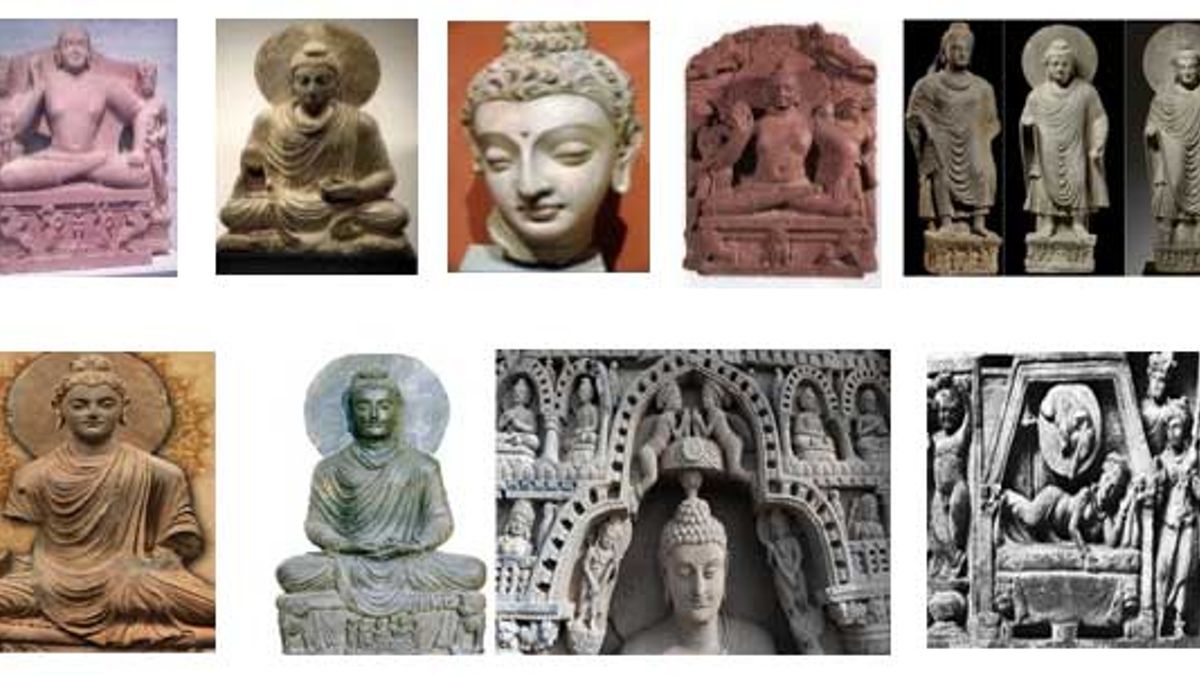
One of the most important historical periods of KP is the Gandhara Civilization. This civilization was famous for Buddhist culture, art, and learning. Cities like Taxila and Peshawar became major centers of Buddhist teaching. Gandhara art combined Greek and local styles, which is still admired worldwide.
Islamic Era
From the 7th century onwards, Islam spread into this region. The arrival of Muslim rulers and saints shaped the culture and traditions of KP. The region became part of various Muslim empires including the Ghaznavids, Ghurids, and later the Mughals. Local Pashtun tribes also played an important role in resisting and shaping regional politics.
Colonial Period and Modern History
In the 19th century, the British took control of the area and called it the North-West Frontier Province (NWFP). The people of KP actively participated in resistance movements against British rule. After the independence of Pakistan in 1947, NWFP became a province of the new country. In 2010, its name was officially changed to Khyber Pakhtunkhwa.
Conclusion
The history of Khyber Pakhtunkhwa reflects the story of resilience, culture, and diversity. From Gandhara art to the struggle for freedom, KP remains a land of rich heritage and proud traditions. Today, it continues to play a vital role in the history and development of Pakistan.



This comment has been removed by the author.
ReplyDelete